

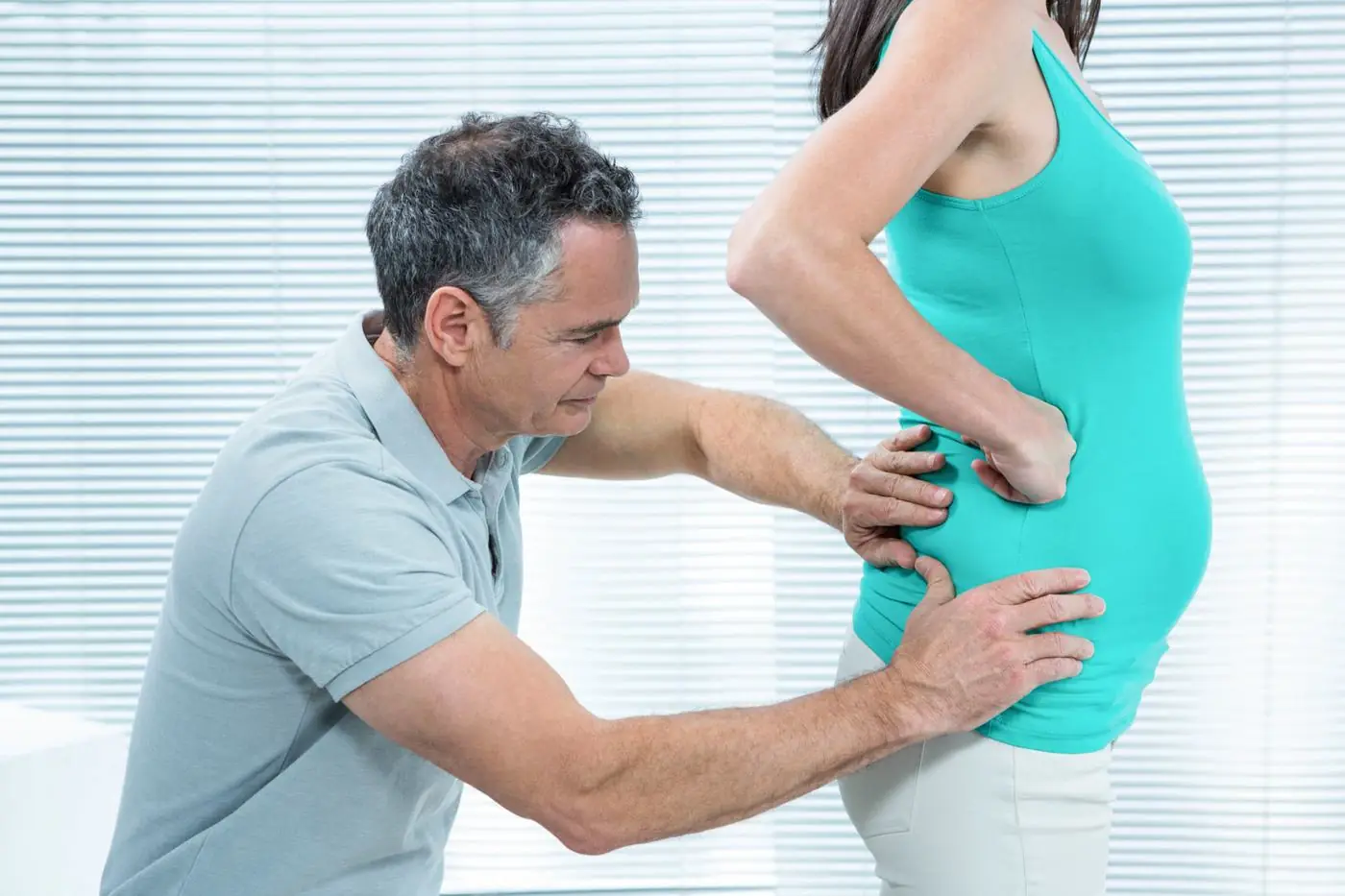
Pregnancy changes your posture, joints and muscles, and pain is common, but it can be treated safely at any stage. We help with pelvic girdle pain, back pain and preparing your body for birth.
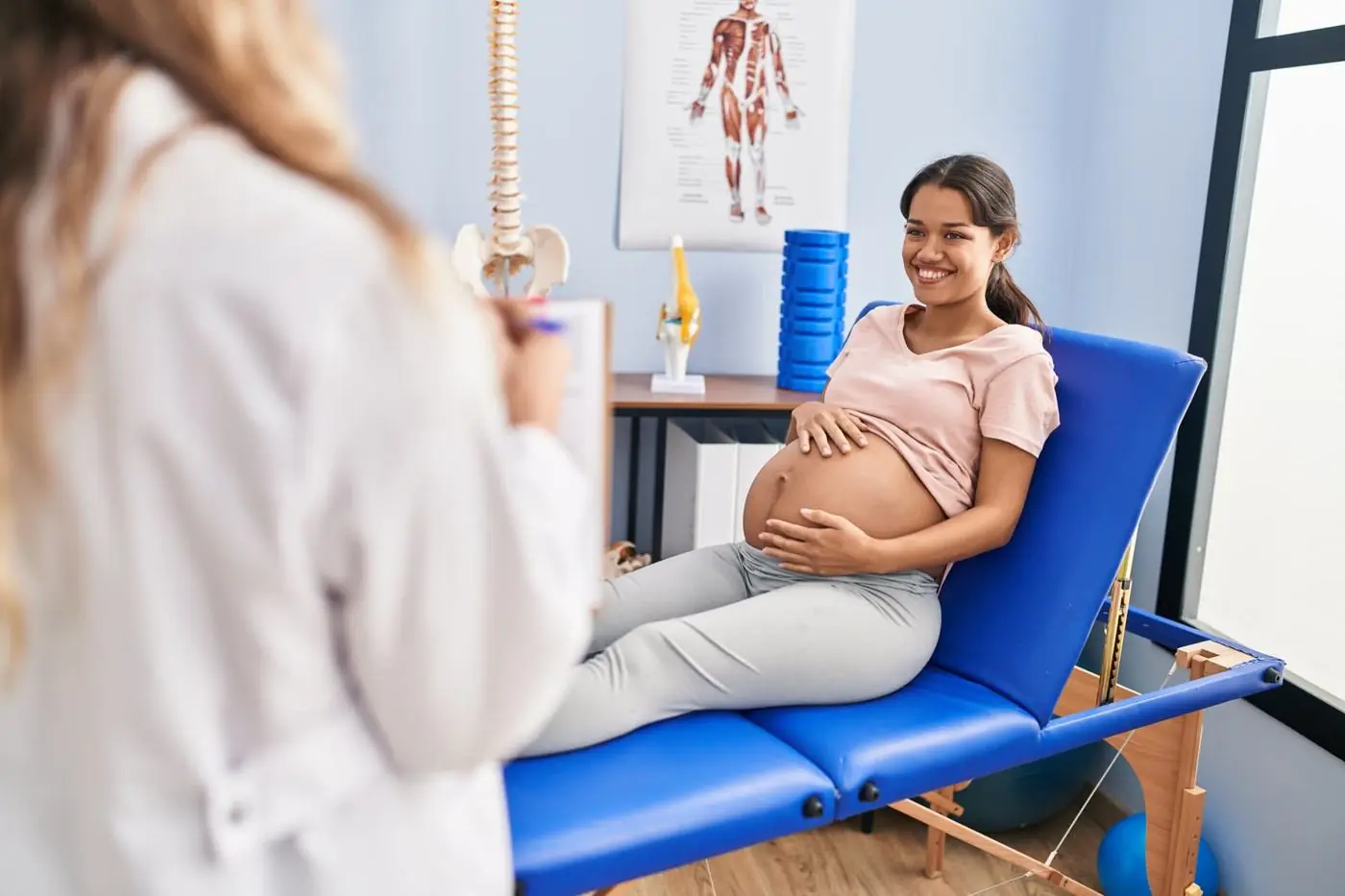
Physiotherapy during pregnancy
Pregnancy brings huge changes to your body. Hormones soften your ligaments, your posture changes as your bump grows, and your centre of gravity shifts. Aches and pains are common, but they are not something you simply have to endure.
Pelvic girdle pain, sometimes called SPD, affects around one in five pregnant women. It responds best to early treatment, and physiotherapy is safe at every stage of pregnancy.
Common pregnancy problems we treat
Pain at the front or back of the pelvis, pain turning in bed or getting out of a car, back and rib pain, sciatica, carpal tunnel symptoms in the hands, and leaking urine. We also help women stay active safely and prepare the pelvic floor for birth.
Recovering after birth
Our postnatal assessment, often called a mummy MOT, is a thorough check of your abdominal muscles, pelvic floor, posture and overall strength. It is usually carried out from six weeks after a vaginal birth and around eight weeks after a caesarean, but it is never too late, even years later.
We assess and treat abdominal separation (diastasis recti), help with caesarean scar recovery and perineal healing, address back, neck and wrist pain from feeding and lifting, and guide a safe, graded return to running and exercise.
Practical tips
In pregnancy, keep your knees together when turning in bed or getting out of the car, take stairs one at a time if your pelvis hurts, and stay active with walking, swimming or pregnancy Pilates. After birth, start gentle pelvic floor exercises early and avoid heavy lifting and high-impact exercise until you've been assessed.
When to contact your midwife or GP
Contact your midwife or maternity unit urgently with bleeding, severe abdominal pain, reduced baby movements, severe headaches or sudden swelling. After birth, seek help for heavy bleeding, fever or signs of a wound infection.
Pregnancy and postnatal physio in Slough and Ealing
Both our clinics offer pregnancy and postnatal physiotherapy, with babies welcome at every postnatal appointment. We work alongside your midwife and health visitor where helpful.
Pregnancy & Postnatal conditions we treat in Slough & Ealing
- Pelvic girdle pain
- Including SPD, at any stage of pregnancy.
- Back & rib pain
- From your changing posture.
- Mummy MOT
- A full postnatal check.
- Diastasis recti
- Abdominal separation rehab.
- C-section recovery
- Scar care and core strength.
- Return to exercise
- A graded plan back to activity.
More conditions we help with
- SPD (symphysis pubis dysfunction)
- Pain at the front of the pelvis, often worse turning in bed, on stairs or getting dressed.
- Sciatica in pregnancy
- Buttock and leg pain eased with positioning, exercise and gentle treatment.
- Carpal tunnel in pregnancy
- Tingling hands caused by fluid changes, eased with splints and exercises.
- Mummy tummy and tummy gap
- Diastasis recti assessment and safe core rehab.
- Postnatal pelvic floor check
- Checking leakage, heaviness and strength after a vaginal or C-section birth.
- Returning to running after baby
- A graded return, usually from about 12 weeks postnatal, following UK guidelines.
- Antenatal and postnatal Pilates
- Physio-led classes to stay strong in pregnancy and recover afterwards.
Not sure if we can help? See our A–Z of conditions we treat or call 020 3371 0995.
Mummy MOT: what is included
The Mummy MOT is a detailed postnatal check, usually from six weeks after birth (or eight weeks after a C-section).
- A full discussion of your birth, recovery and any symptoms
- Tummy gap (diastasis recti) assessment
- Optional pelvic floor assessment, only with your consent
- Posture, breathing and core function checks
- Scar check after a C-section
- A personalised plan for safely returning to exercise and running
Related classes
| Day | Time | Class | Clinic | Level |
|---|---|---|---|---|
| Sat | 09:30 | Pregnancy Pilates | Slough | Antenatal |
| Sat | 11:00 | Postnatal Restore · babies welcome | Ealing | Postnatal |
See the full timetable and book a class
Pregnancy & Postnatal treatments and techniques
- Gentle manual therapy
- Adapted for pregnancy.
- Support belts
- Where helpful for pelvic pain.
- Safe exercise
- Tailored to each trimester.
- Postnatal assessment
- Tummy, pelvic floor and posture.
- Scar mobilisation
- After caesarean or perineal tears.
- Graded return to sport
- Running and gym plans.
Your pregnancy & postnatal recovery timeline
- PregnancyTreat pain early, at any trimester.
- 6 weeks after birthPostnatal assessment.
- Weeks 6–12Core and pelvic floor rebuild.
- 3 months +Graded return to running and sport.
Pregnancy & Postnatal prices
- Initial women's health assessment60 min£85
- Follow-up treatment45 min£65
- Mummy MOT postnatal check60 min£110
Self-pay prices. Insured? We can bill most major insurers directly. All prices
Who pregnancy & postnatal physiotherapy is for
Anyone who is pregnant, and mums from six weeks after birth, whether your baby is newborn or several years old.
You may benefit if you notice: pelvic or back pain in pregnancy; pain turning in bed or on stairs; a tummy gap after birth; leaking after having a baby; wanting to return to running or the gym.
Pregnancy & Postnatal Physiotherapy: frequently asked questions
Is treatment safe in pregnancy?
When can I have a postnatal check?
Can I bring my baby?
What is a Mummy MOT?
Can physio help with SPD in pregnancy?
Is it safe to see a physio while pregnant?
When can I exercise after a C-section?
Book pregnancy & postnatal physiotherapy near you
Appointments are available at Gogodoc Physio Slough, for patients from Slough, Langley, Burnham, Farnham Royal, Windsor, Cippenham and Iver, and Gogodoc Physio Ealing, for patients from Ealing Broadway, West Ealing, Hanwell, Acton, Southall and Greenford.
Pregnancy and postnatal physiotherapy treats pain and changes in the body before and after birth. This includes pelvic girdle pain (SPD), back pain, diastasis recti and recovery after a C-section. Gogodoc Physio offers safe, specialist care and the Mummy MOT postnatal check at our Slough and Ealing clinics, and babies are welcome.
Reviewed by the Gogodoc Physio clinical team, led by Sen Ramanathan, Clinical Director, Principal Practitioner · Updated October 2026This guide is general information and not a substitute for individual clinical advice. For severe or sudden symptoms, contact your GP or NHS 111.